Kitchen Alchemy & Equipment Hygiene
The science of maintaining a sterile and harmonious kitchen environment through natural cleaning protocols.
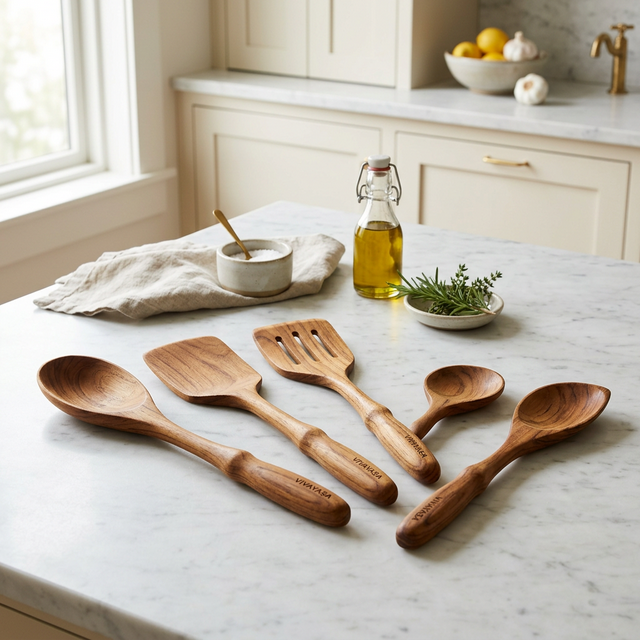
Wooden Utensils
Natural porous surfaces that require specific hydration and antimicrobial care.
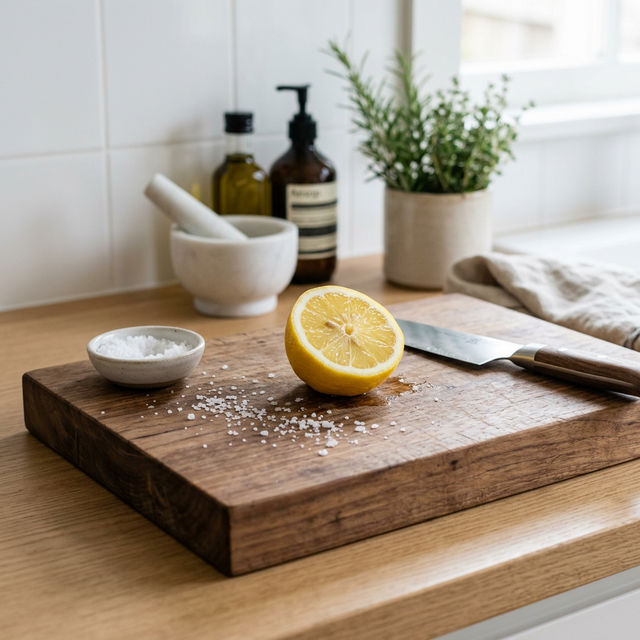
Cutting Boards
High-frequency contact surfaces prone to bacterial harbor.
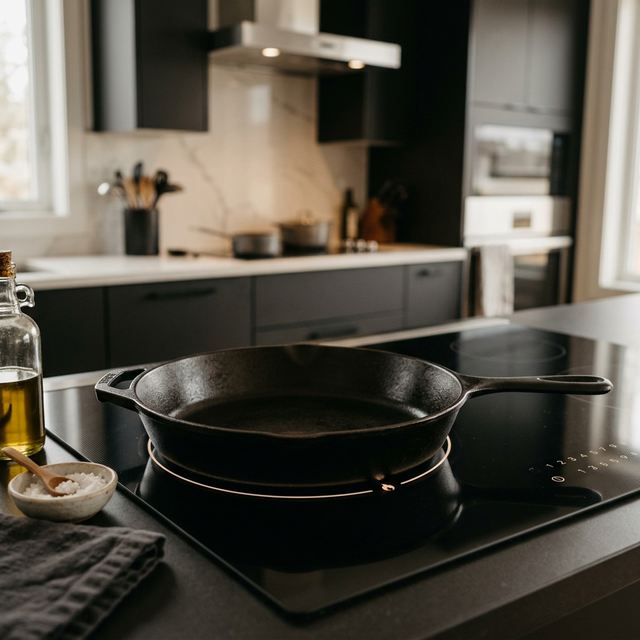
Cast Iron Care
Living surfaces that build a natural non-stick polymer layer.
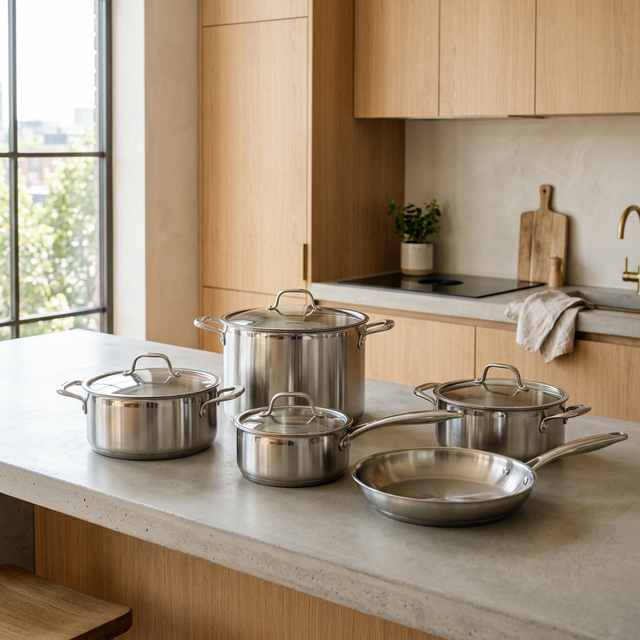
Stainless Steel Care
Durable and non-reactive surfaces that require specific polishing to maintain shine.
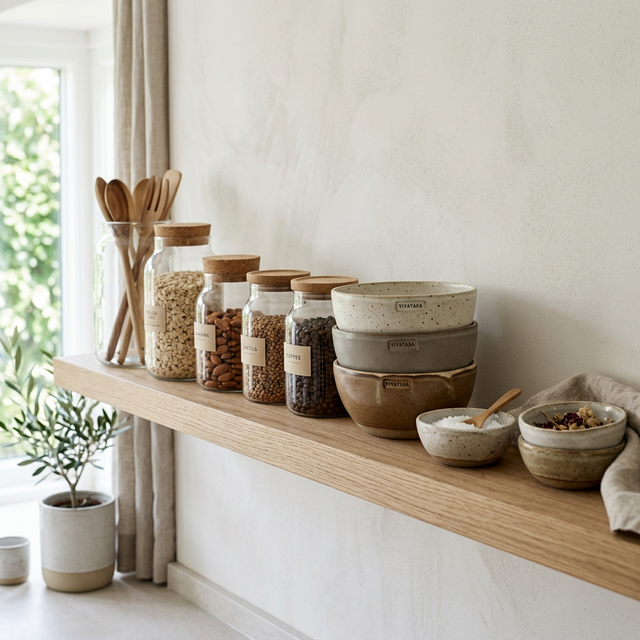
Glass & Ceramics
Non-porous, inert materials ideal for safe food storage and cooking.
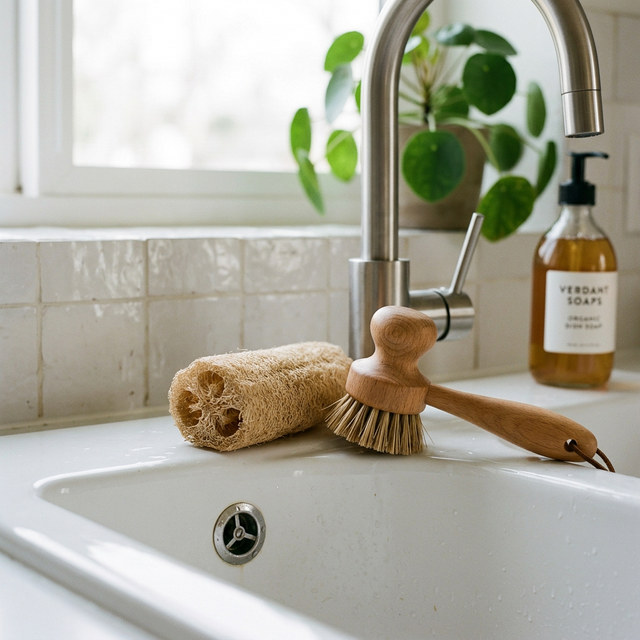
Synthetic Surfaces
Modern composites and plastics that need careful temperature and chemical management.
Kitchen Sanitation Matrix
White vinegar is a powerful natural descaler and mild disinfectant.
Baking soda neutralizes odors and acts as a gentle abrasive.
Lemon and Tea Tree oils add antimicrobial properties to natural cleaners.
| Material | Optimal Cleaning Method |
|---|---|
| Wood / Bamboo | Lemon + Salt + Oil seasoning (Monthly). |
| Cast Iron | After cleaning, they must be completely dried, seasoned with a thin layer of oil to prevent rust, and "sealed" by heating on the stove. |
| Stainless Steel | Warm water + Microfiber + Plain soap. |
| Glass & Ceramics | Hot water + Non-scratch sponge + Mild degreaser. |
| Synthetic Surfaces | Avoid high heat; use alcohol-based sanitizers for non-porous synthetics. |
The Dishwasher Warning
High heat and harsh detergents in dishwashers can crack wood and strip cast iron seasoning. Manual care preserves equipment longevity.
Kitchen Sponge Hygiene
The kitchen sponge is our most used tool for cleaning, but it is also a bacteria favorite. Replacing your kitchen sponge every week is the safest approach for hygiene.
1. Why Weekly Replacement?
Bacteria Nest
Due to their porous and constantly moist structure, sponges are the dirtiest objects in the kitchen. Research shows that a single kitchen sponge can harbor billions of bacteria (Salmonella, E. coli, etc.) per square meter.
Invisible Danger
Your sponge may still lather or look clean, but because bacteria settle in the deepest fibers, superficial cleaning (just washing with water) is not enough to eliminate them.
2. Is it Possible to Extend Sponge Life?
Microwave Shock
Keeping a wet sponge (making sure it contains no metal) in the microwave at high heat for 1-2 minutes kills most bacteria.
Vinegar/Boiling Water
Soaking the sponge in boiling water with vinegar at the end of the day, squeezing it well, and storing it in a dry place (not in water-accumulating containers) slows down reproduction.
3. A "Sustainable" Tip for VIVAYASA
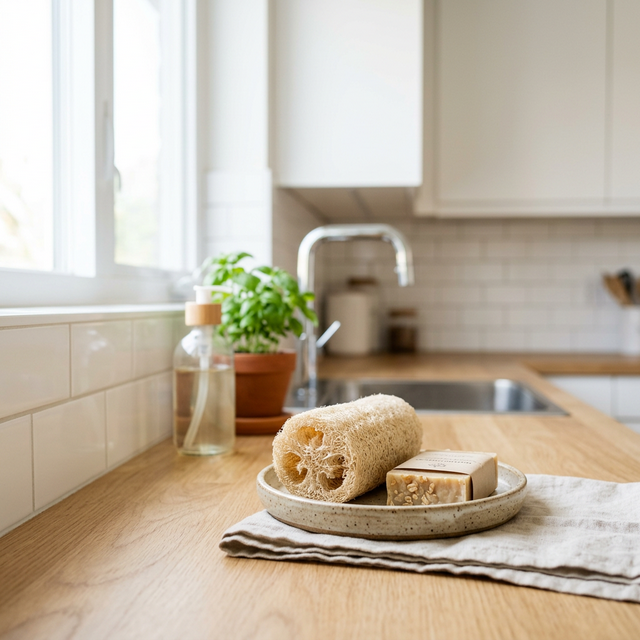
🌿 Loofah (Luffa)
It is completely natural and plant-based. Its bacteria retention rate is much lower than a sponge, and it biodegrades when its life is over.
🧺 Washable Cloths
Instead of sponges, you can use organic cotton or bamboo cloths and wash them in the washing machine at 60 degrees to use them many times.
Cast Iron Care & Maintenance
Cast iron pans should be cleaned using hot water, a stiff brush/sponge, and a small amount of soap, specifically avoiding the dishwasher.
Cleaning (Wash)
While the pan is still slightly warm, wash under hot water with a soft sponge or brush. A small amount of dish soap can be used for stubborn residue.
Drying (Dry)
Immediately after washing, dry thoroughly with a clean cloth or paper towel. Leaving it damp will cause rusting.
Oiling & Heating (Oil)
Apply a very small amount of vegetable oil to the inner surface and spread with a paper towel. Heat on the lowest setting for 1-2 minutes to let the oil penetrate the iron, then let it cool.
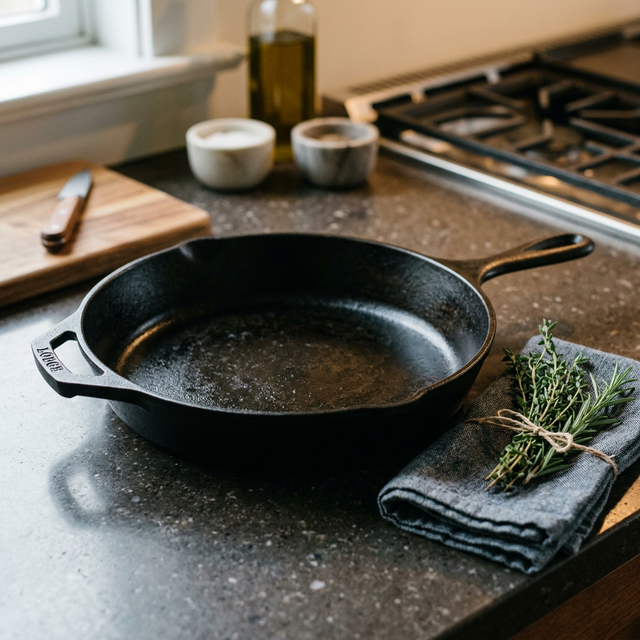
"After cleaning, they must be completely dried, seasoned with a thin layer of oil to prevent rust, and "sealed" by heating on the stove."
💡 Tips for Tough Stains
Burnt Food
Add water and a bit of baking soda to the pan, boil for 10-15 minutes, then scrub.
Rusting
Scrub rusty areas with a wire brush or steel wool, wash, and apply the oiling/heating process above.
Enameled Cast Iron
Can be washed like normal dishes with soapy water and a sponge; no seasoning required.
🚫 Never Do These
Putting it in the dishwasher, soaking in water for a long time, using extremely harsh chemicals.