VIVAYASA — Plant Therapy
Transform your living spaces with the healing power of nature.
🌿 Transform Your Bedroom into Nature
Your bedroom is not just a place to sleep; it is a sanctuary where your body repairs itself and your mind rests. With the right plants, you can turn this space into a healthier and more peaceful haven.
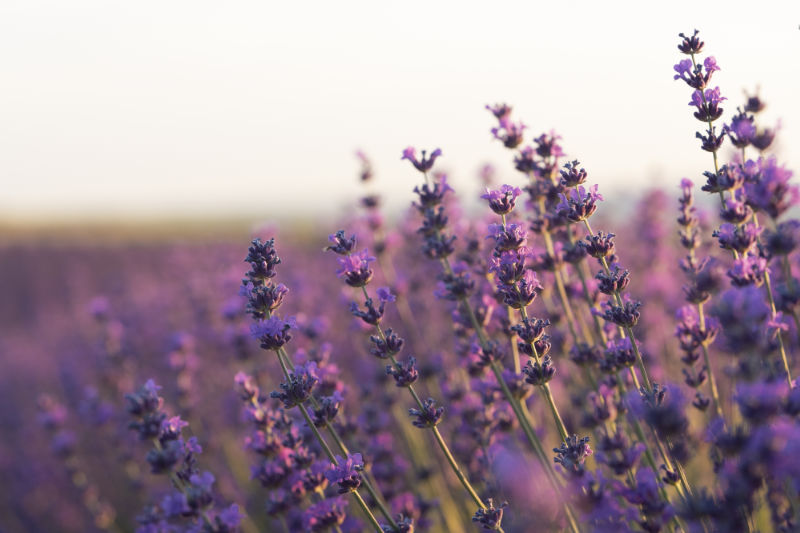
1. Lavender (Lavandula angustifolia)
Lavender is practically made for the bedroom. Its subtle scent lowers cortisol levels, slows heart rate, and makes it easier to fall into deep sleep. Studies show that people exposed to lavender before bed wake up feeling much more rested.
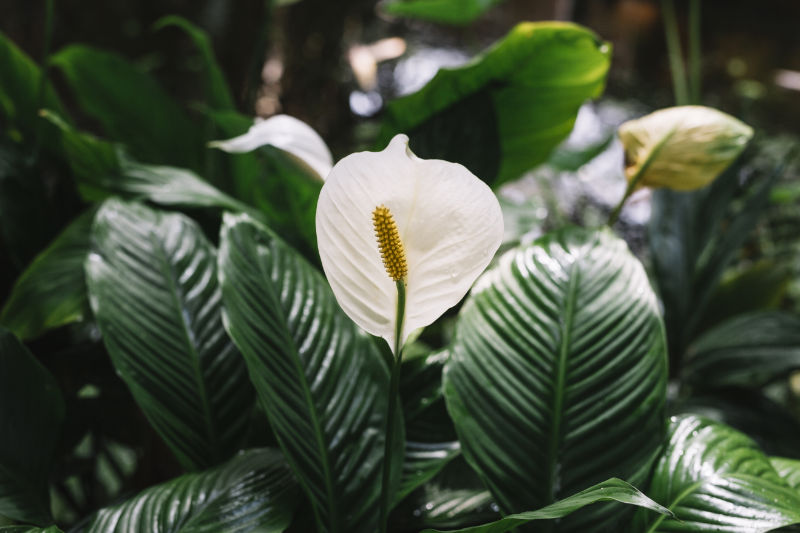
2. Peace Lily (Spathiphyllum)
Listed among the most effective air purifiers in NASA's indoor plant study, the Peace Lily filters harmful chemicals like formaldehyde, benzene, and ammonia. Additionally, it releases moisture from its leaves, increasing room humidity by up to 5%, preventing throat and skin dryness, especially in dry winter months.
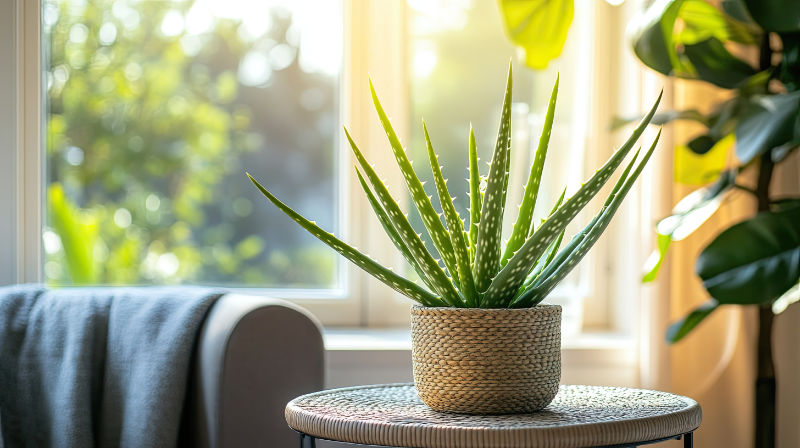
3. Aloe Vera (Aloe barbadensis miller)
Aloe Vera is one of the rare plants that absorbs carbon dioxide and releases oxygen at night instead of during the day. This makes it an ideal nighttime companion for the bedroom. It also removes formaldehyde and benzene from the air. Its gel can be used for skin burns and irritations.
4. Pothos / Devil's Ivy (Epipremnum aureum)
Known as the "hard to kill plant," Pothos is a resilient air purifier that can survive even in dark corners. It purifies the room air overnight by absorbing harmful volatile organic compounds like carbon monoxide, xylene, and toluene. With its trailing vines, it also offers an aesthetic look on shelves.
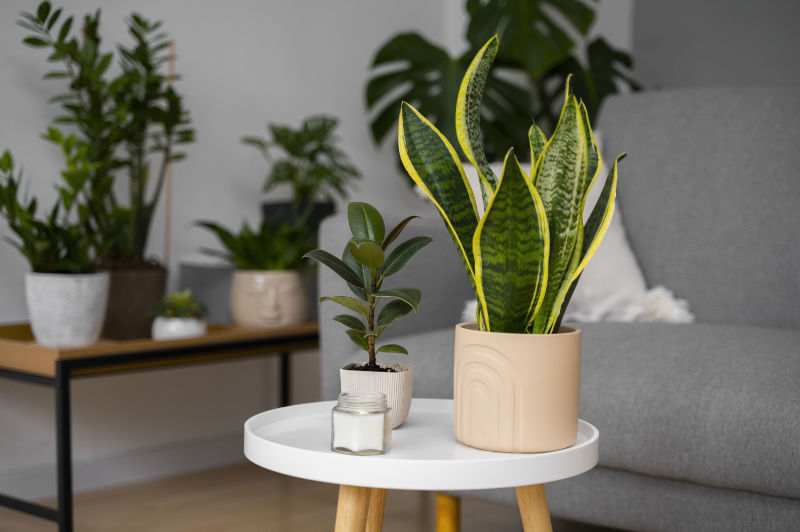
5. Snake Plant (Sansevieria trifasciata)
The Snake Plant has earned the title of the hardiest of all indoor plants. It produces oxygen at night and cleans formaldehyde and trichloroethylene from the air. Thanks to its tough leaves, it can survive for months without water, making it perfect for forgetful or busy individuals. It also balances ambient humidity and reduces allergens.
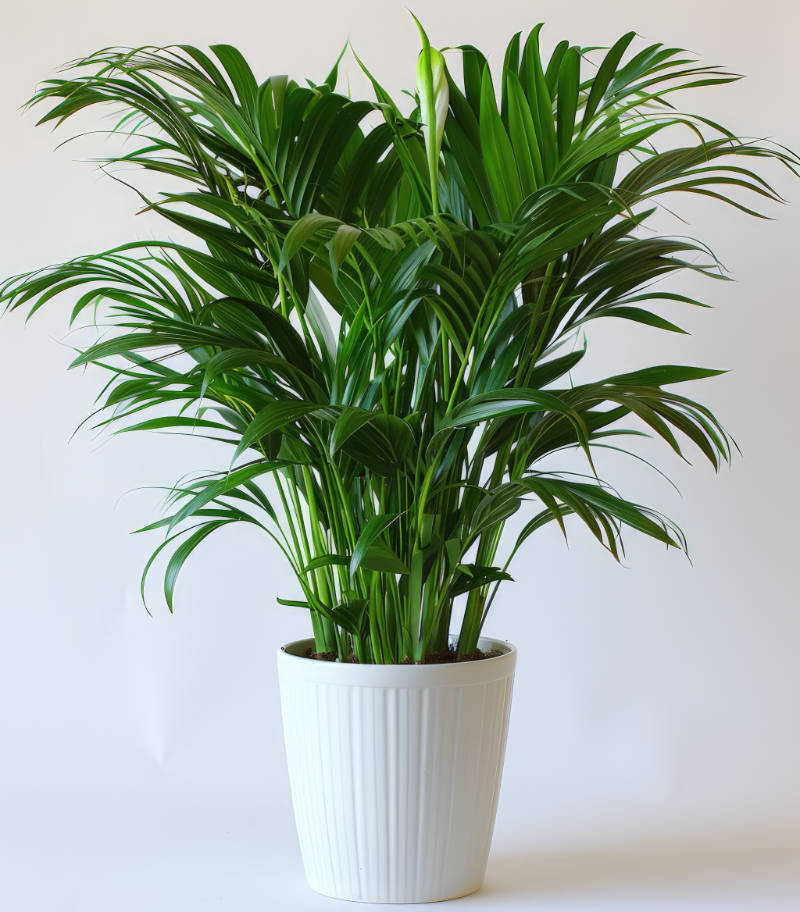
6. Bamboo Palm (Chamaedorea seifrizii)
The Bamboo Palm acts as a natural humidifier in dry weather. By constantly releasing moisture from its leaves, it maintains the room's humidity balance, which prevents dry airways, night coughs, and sore throats during sleep. It also absorbs formaldehyde and chloroform gases.
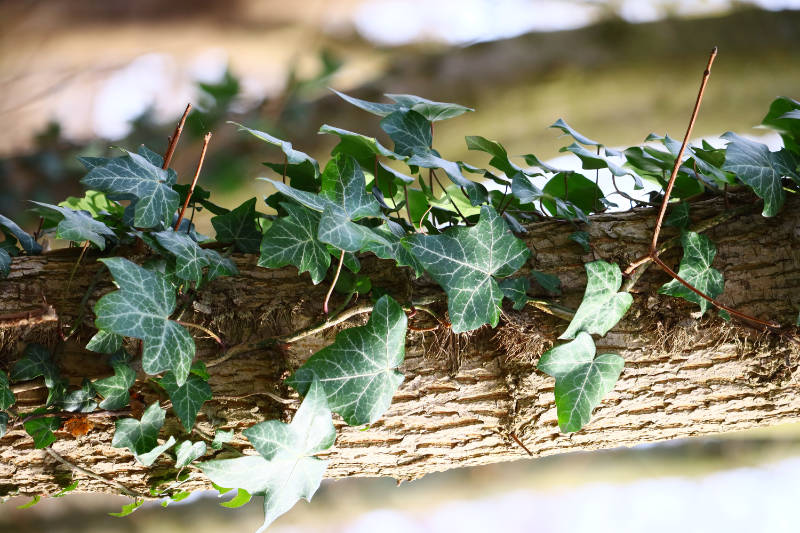
7. English Ivy (Hedera helix)
English Ivy is highly effective at capturing airborne mold spores and allergen particles. Studies show it can reduce the amount of mold in a room by up to 78% within 12 hours. It is especially recommended as a bedroom plant for individuals with asthma and allergies.
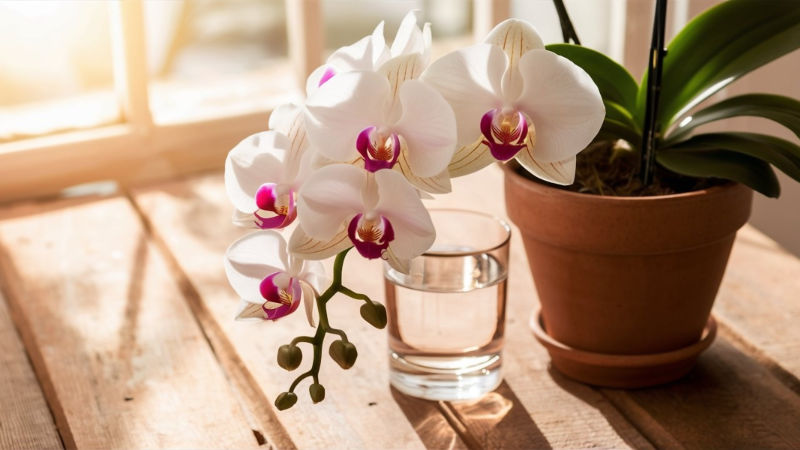
8. Orchid (Phalaenopsis)
Beyond its elegant appearance, the Orchid is a functional bedroom plant. It improves the sleep environment by absorbing xylene from the air at night. Its light and sweet scent creates a sense of mental calmness. With its long blooming period, it adds vitality to the room.
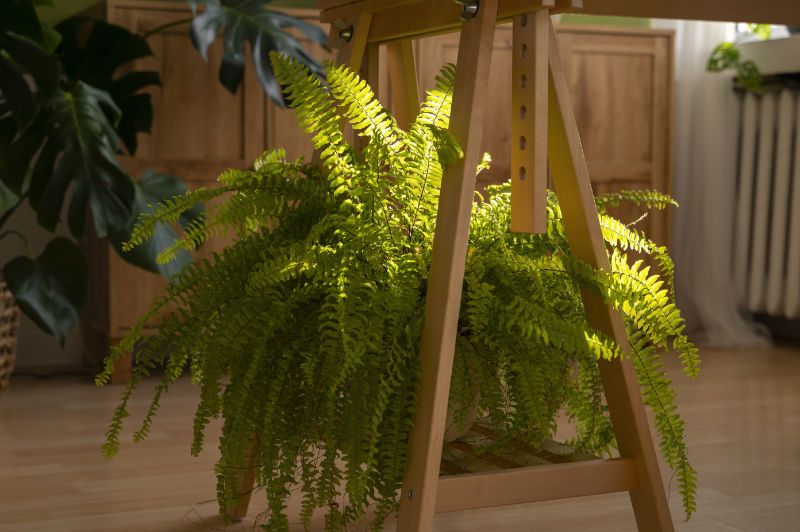
9. Boston Fern (Nephrolepis exaltata)
The Boston Fern is highly effective at filtering toxins like formaldehyde and xylene. It also acts as a natural humidifier against dry room air, preventing your skin and airways from drying out overnight. It requires high humidity.
• Very high moisture absorption capacity
• Loves cool and humid environments
• Perfect for the bathroom or bedroom
🌙 Golden Rules for the Bedroom
Placing too many plants in a room can lead to carbon dioxide buildup overnight. 2 to 4 plants per bedroom provide an ideal balance. Specifically, the trio of Snake Plant + Peace Lily + Lavender creates a perfect combination for air quality, humidity balance, and sleep comfort.
⚠️ Important Precautions
Some plants can be toxic to families with pets or small children at home. English Ivy and Pothos are harmful to cats and dogs and should be placed high up where they cannot reach.
🌿 VIVAYASA — Recommended Plants for the Living Room
1. Rubber Plant (Ficus elastica)
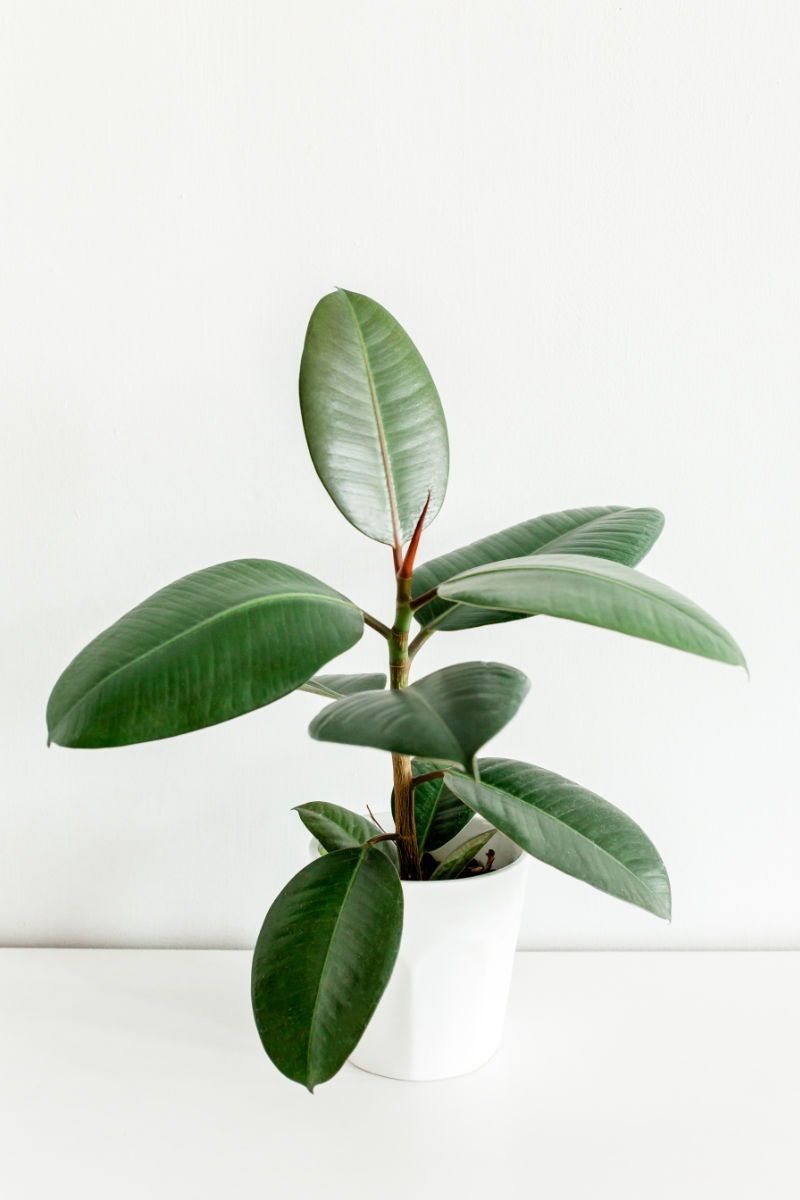
A candidate to be the star of the living room. With its dark, glossy burgundy or green leaves, it stands almost like a sculpture. It cleans formaldehyde and carbon dioxide from the air. It thrives easily in medium light and over time grows to 1.5–2 meters, adding a dramatic character to the space.
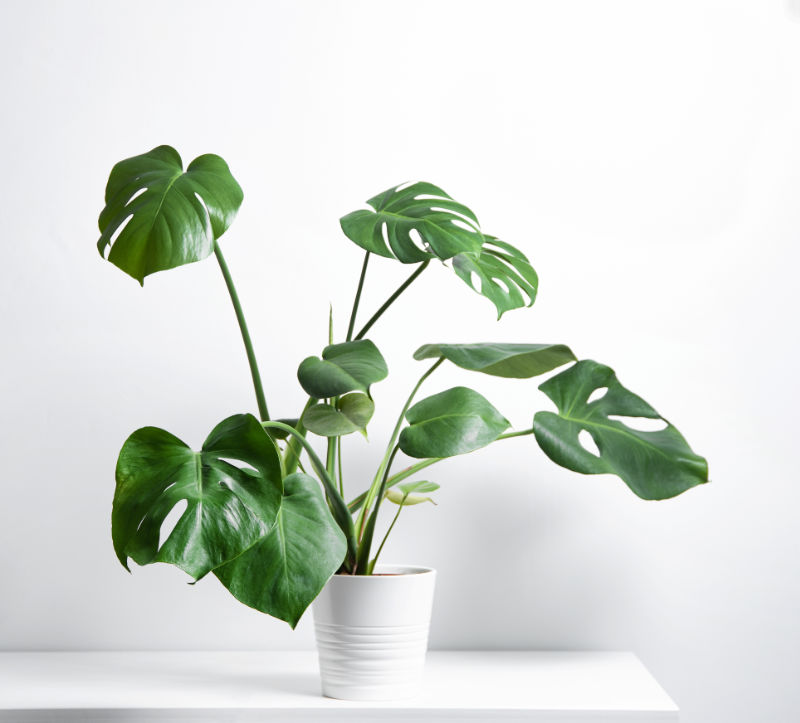
2. Monstera (Monstera deliciosa)
The most popular living room plant in recent years with its iconic perforated leaves. It creates a tropical atmosphere and is a staple in every interior photo. It absorbs formaldehyde and benzene from the air. It grows rapidly in medium light, turning your living room into a tropical corner.
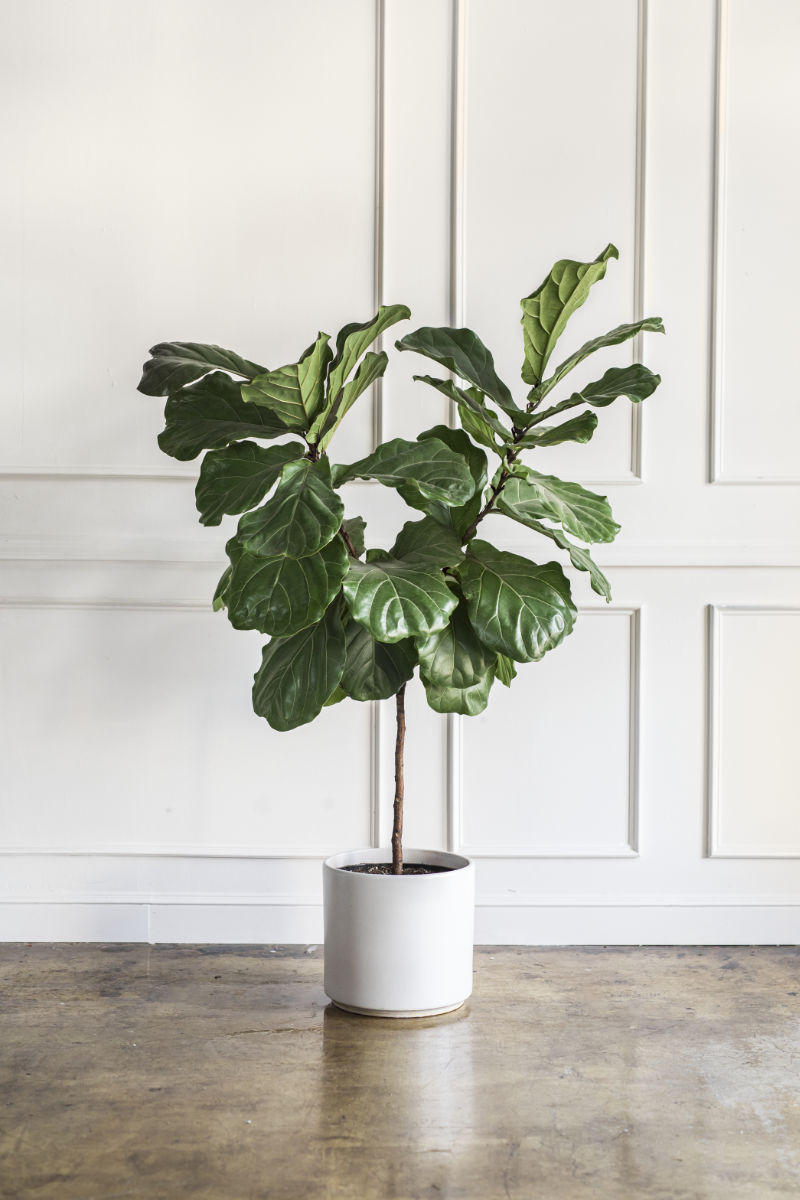
3. Fiddle Leaf Fig (Ficus lyrata)
A favorite among interior designers. With its large, wavy leaves, it looks stunning in minimalist or modern living rooms. It purifies the air while giving the space a "gallery feel." A bit finicky, but its visual impact is undeniable.
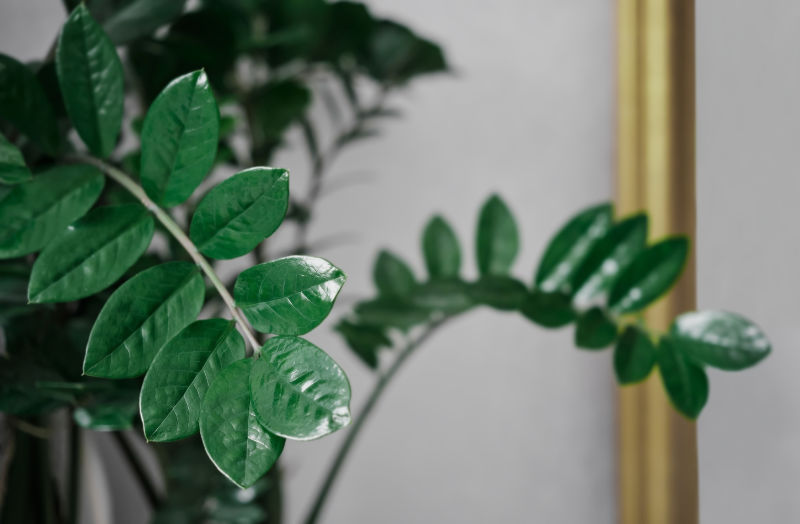
4. ZZ Plant (Zamioculcas zamiifolia)
Its glossy, dark green leaves shine as if they have a natural polish. It gets by with very little water and light. It cleans pollutants like xylene, toluene, and benzene from the air. Perfect for modern and minimalist living rooms.
5. Bird of Paradise (Strelitzia reginae)
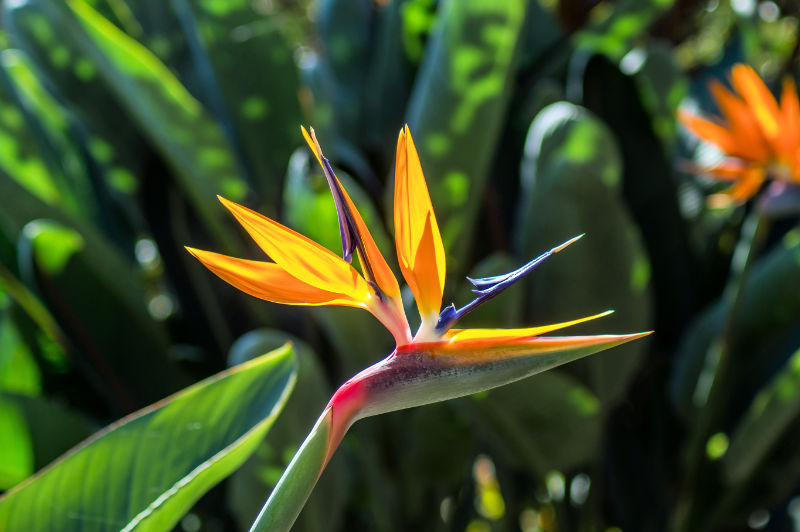
Adds an artistic touch to your living room with its orange and blue exotic flowers. With its broad, sturdy leaves and size, it forms a strong focal point. Can live in medium light, but prefers a bit more sun to bloom.
6. Dracaena (Dracaena marginata)
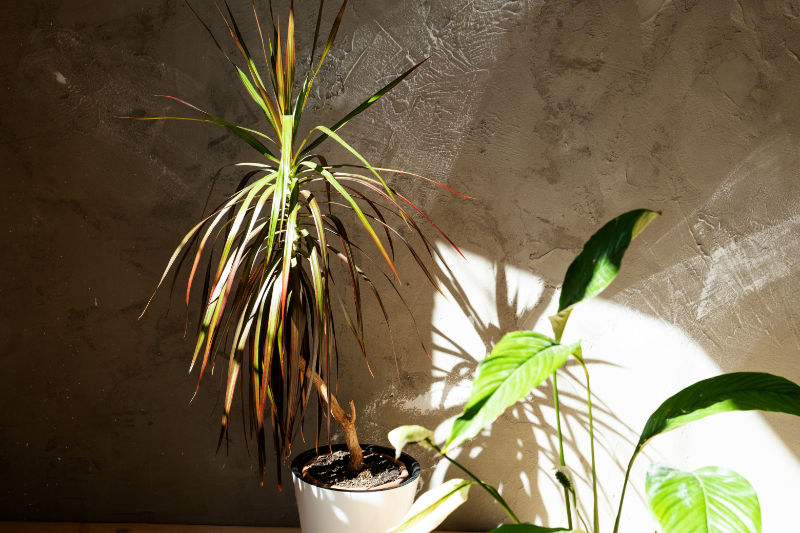
With its slender trunk and long leaves cascading from the tips, it carries a very slight exotic flair. Featured on NASA's list as a formaldehyde, benzene, and trichloroethylene purifier. Fits perfectly in corners or next to a TV unit.
7. Spider Plant (Chlorophytum comosum)
Offers a lively and cheerful look with its cascading plantlets. Looks magnificent when hung on high shelves or plant stands. It is one of the rare plants proven to be highly effective at removing carbon monoxide and formaldehyde from the air.
🛋️ Living Room Placement Suggestions
Next to the TV → Dracaena or ZZ Plant — tall and slender
On the coffee table → Small Monstera or Spider Plant
Shelf / high point → Hanging Spider Plant or small Pothos
Here are the best plants for absorbing indoor humidity:
🏆 Most Effective Humidity Absorbers
- Peace Lily – Absorbs moisture through both its leaves and soil, fitting perfectly in bathrooms and bedrooms.
- Boston Fern – Has a very high moisture absorption capacity, acting like a natural humidifier (but it also loves high humidity, so balance is key).
- Snake Plant – Purifies the air while absorbing moisture, highly durable.
🌿 Good Performers
- English Ivy – Grows on walls or in pots, rapidly absorbing excess indoor humidity.
- Tillandsia (Air Plant) – Lives without soil, absorbing nutrients and water directly from the air.
- Orchid – Absorbs ambient moisture and water directly through its roots.
- Caladium – Provides high moisture absorption thanks to its wide leaves.
🪴 Practical Choices
- ZZ Plant – Requires low maintenance, balances humidity.
- Pothos (Devil's Ivy) – Grows fast, effective at moisture control.
- Bamboo Palm – Absorbs excess moisture with its large leaf surface while also purifying the air.
💡 Tips
- ✓ For rooms with serious humidity issues (bathrooms, basements), Boston Fern or Peace Lily are the best choices.
- ✓ Plants alone cannot replace a dehumidifier but are very beneficial as a supporting measure.
- ✓ Using several plants together significantly increases the effect. 🌱